Prepare the motorcycle
- Adjust the tyre pressure to the value for riding with a passenger – you will find it in the manual.
- Set the rear shock preload according to the load, if the motorcycle allows it.
- Fold out the passenger footpegs and check them.
- Load capacity – the combined weight of the riders and luggage must not exceed the motorcycle's maximum load.
- Headlight – rear load raises the front end and the light may dazzle other road users.
Rules for the passenger
- Get on only when the rider is holding the motorcycle and gives the signal. Mount from the left side, put your foot on the footpeg and swing over.
- Hold on to the rider's waist or to the grab handle, not the shoulders.
- Keep your feet on the footpegs the whole time, even when stopped.
- Beware of the hot exhaust.
- In corners, lean together with the motorcycle, do not counter the lean and avoid sudden movements.
- When braking, brace yourself against the tank or with your thighs so that you do not slide into the rider.
Rules for the rider
- Pull away and shift more smoothly so that the passenger's head does not jerk back and forth.
- Allow for a longer braking distance and a bigger gap to the vehicle ahead.
- Overtaking needs more room – the motorcycle accelerates more slowly.
- When stopped, hold the motorcycle firmly with both feet; the centre of gravity is higher.
Agree on signals
Before the ride, agree on simple signals: a tap on the shoulder to stop, a thumbs-up for "all is well". A communication system in the helmets is even better.
Passenger gear
The passenger needs the same protection as the rider: an approved helmet, jacket, trousers, gloves and sturdy boots covering the ankles. A fall does not care who is sitting in front.
Which motorcycle for two-up riding
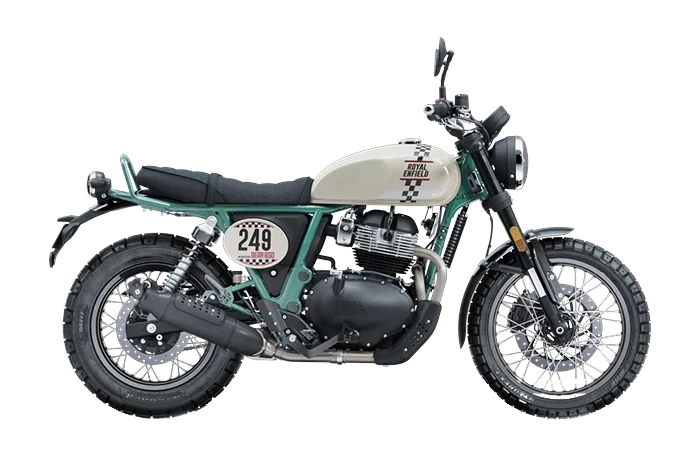
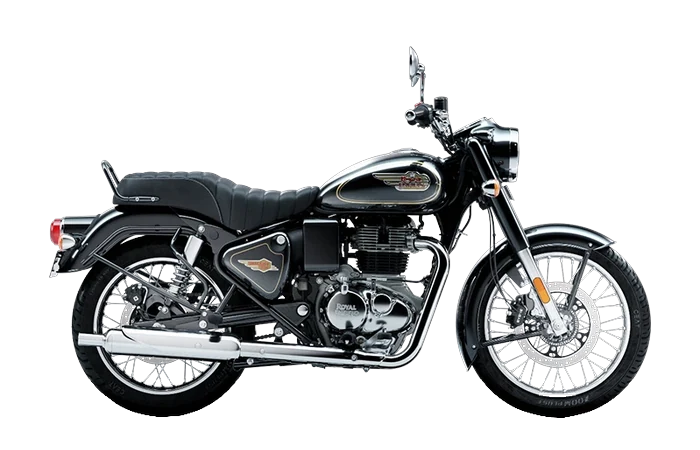
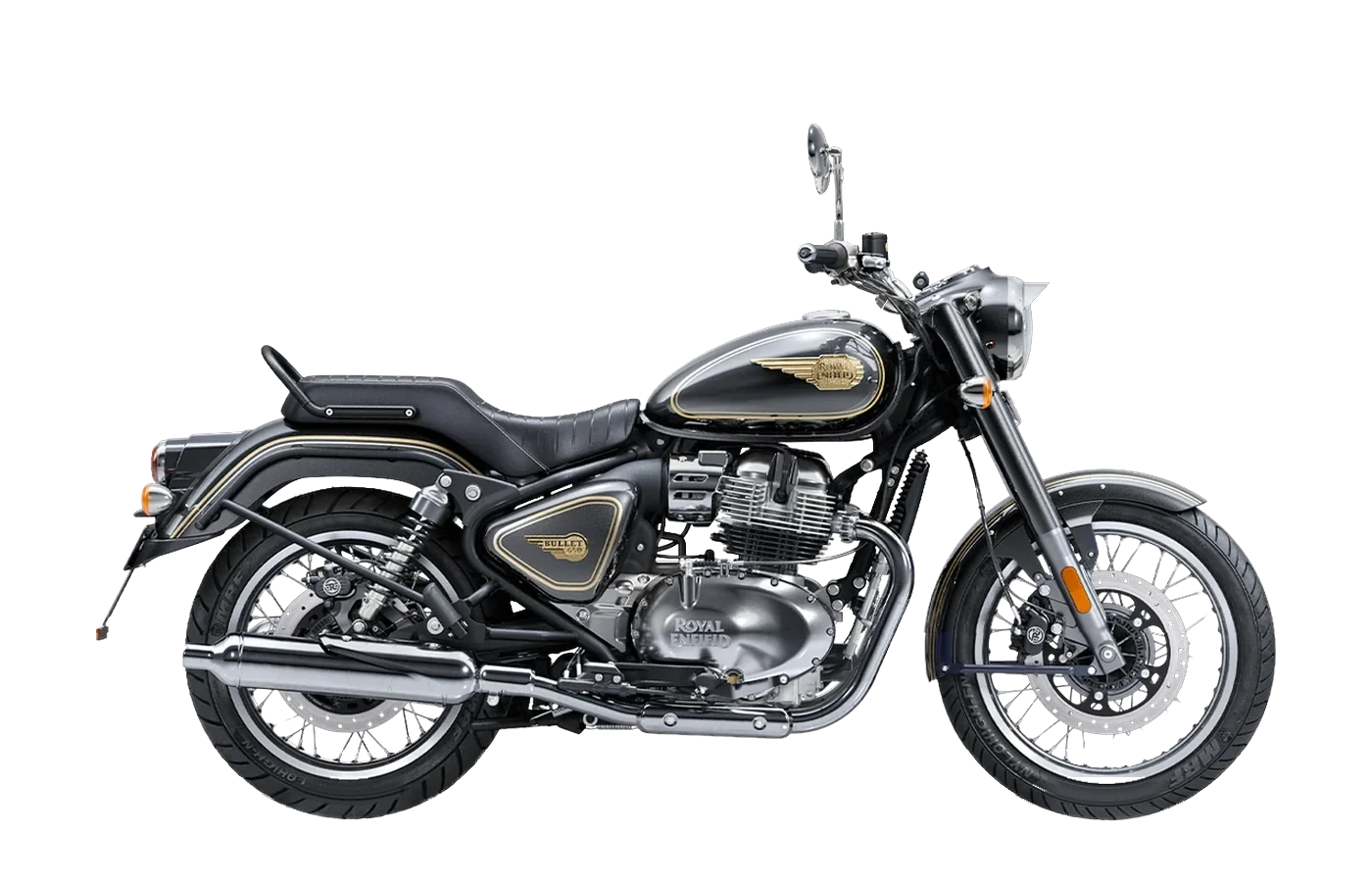
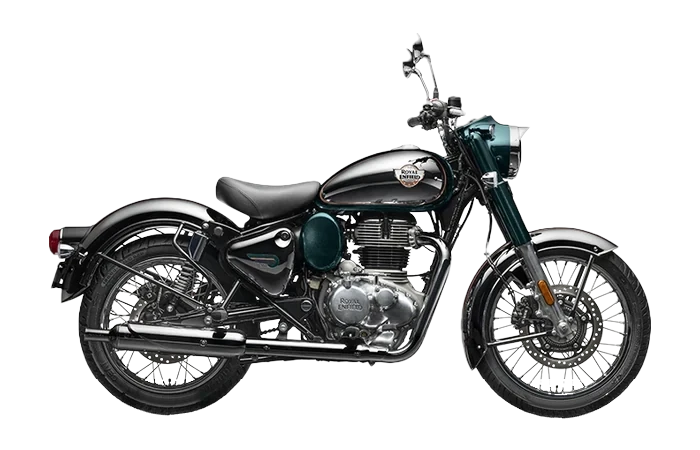
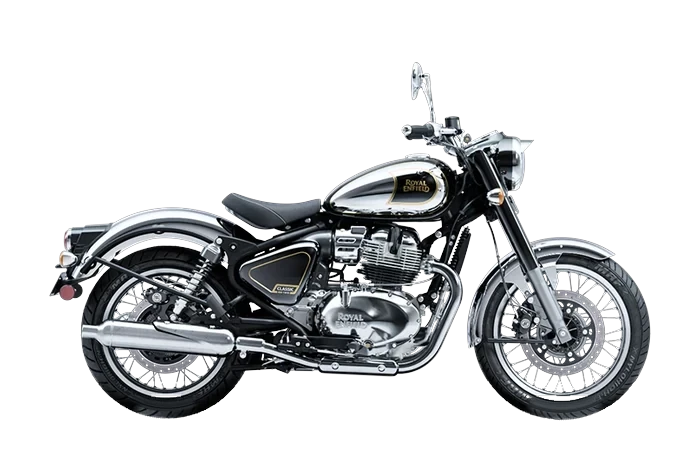
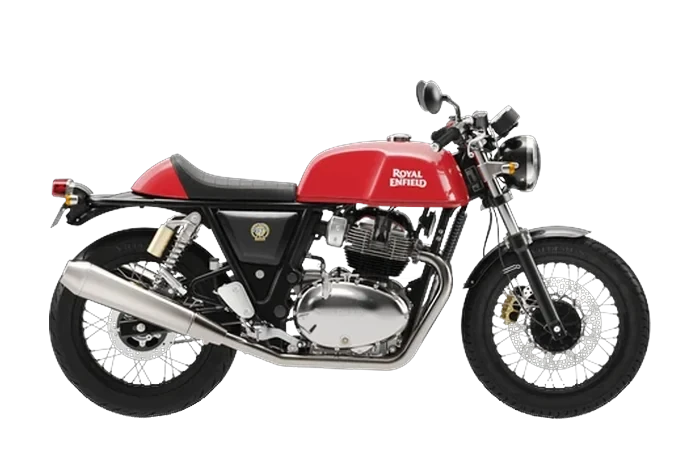
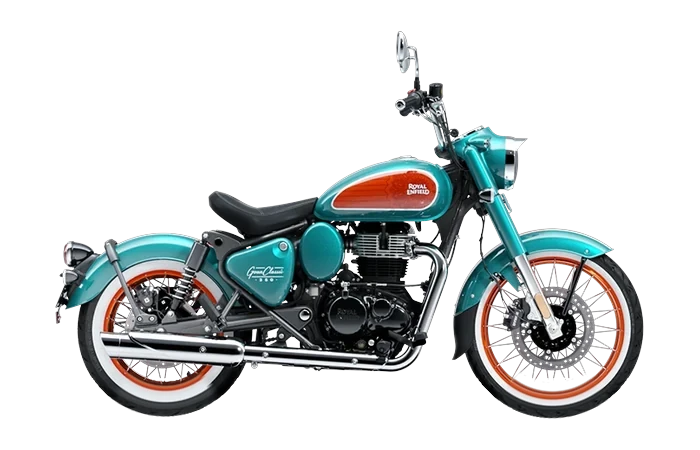
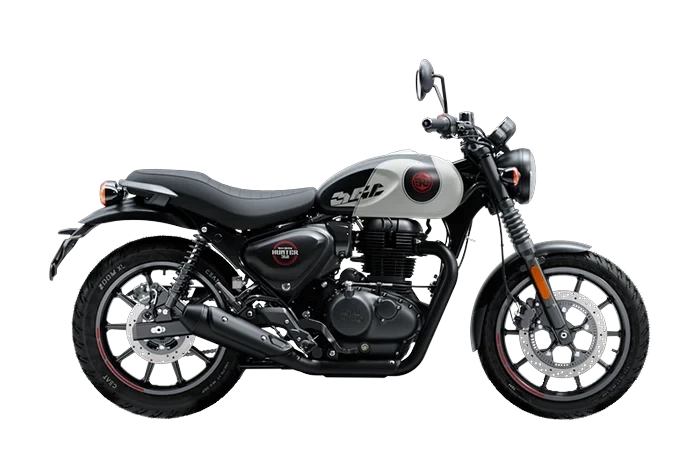
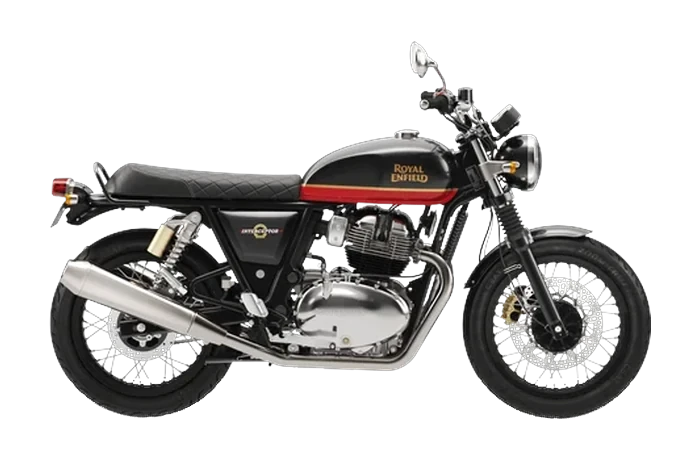
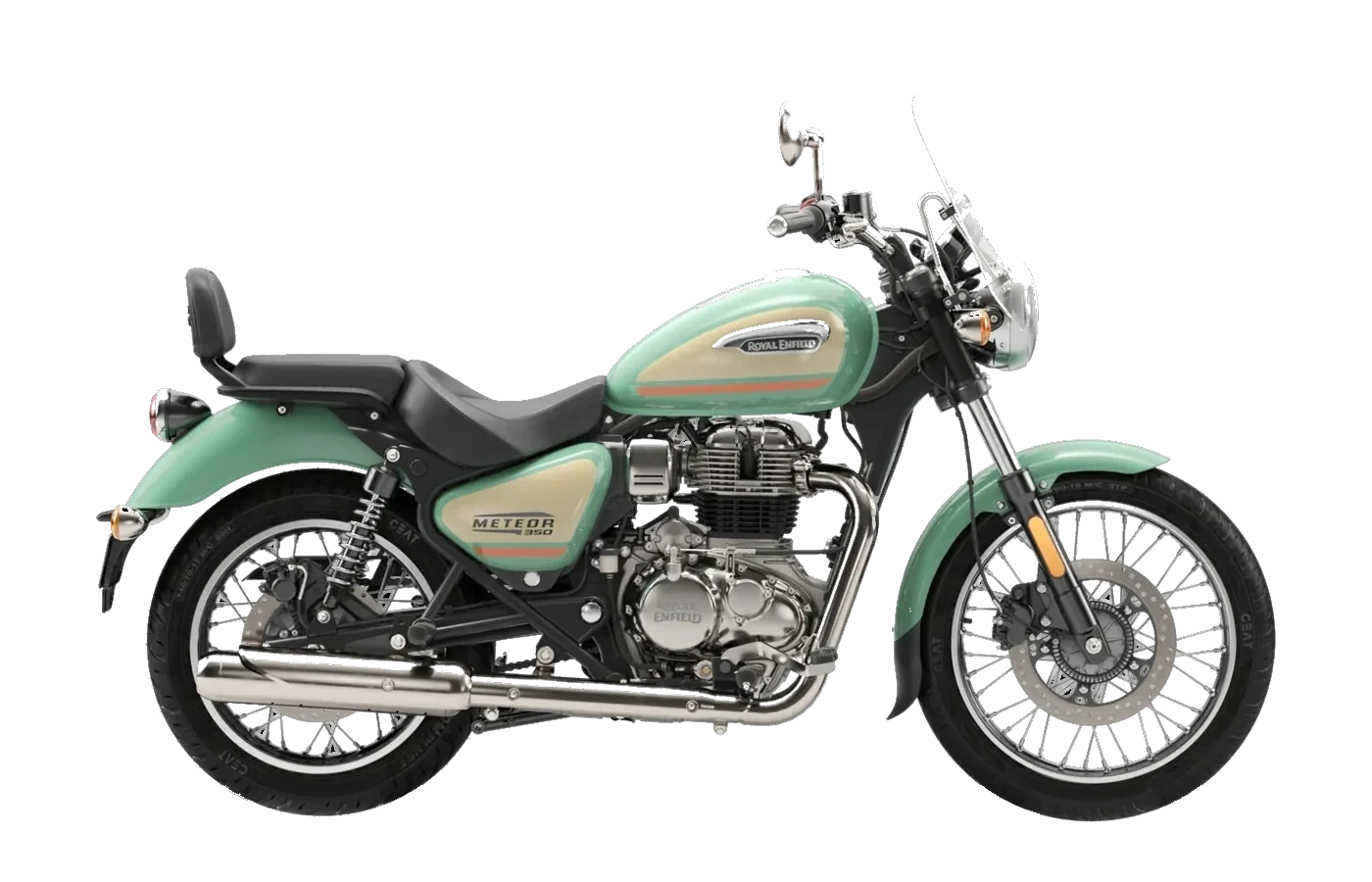
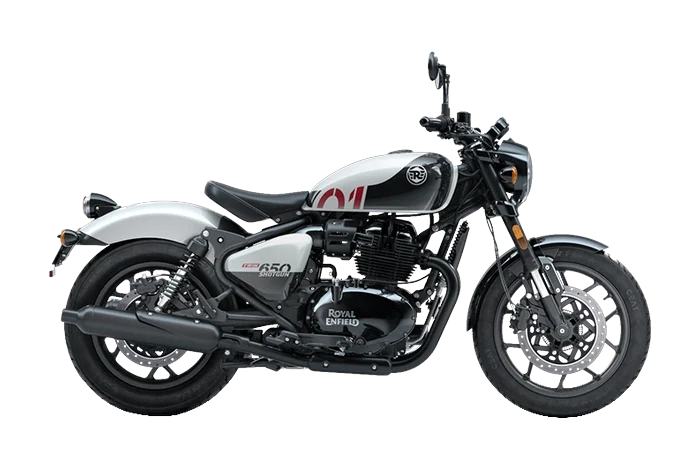
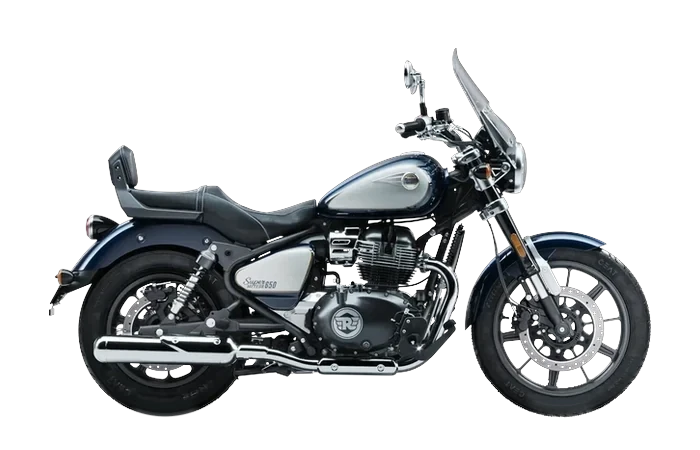
Riding two-up is best on motorcycles with a larger engine and a comfortable seat, for example the Super Meteor 650, Interceptor 650 or Classic 650. At Royal Enfield GARAGE you can try riding two-up on a test ride.